Your cart is empty!
Let's fix that.
 FREE Shipping on all orders above $65!


We are thrilled that you’ve grown (or are planning to grow) your family by one very lucky adult dog or cat. Adult and mature pets tend to spend a longer time in rescue organizations than puppies or kittens do, and they will be so grateful to be welcomed into your loving home.
Adult and senior life stages vary by species, breed, size, and individual health. Your veterinarian can help determine your pet’s life stage and the care or nutrition that best fits them.
You might be lucky if your new pet is already well trained! No matter what their history was before joining your family, they may already have some useful knowledge under their belts ranging from bathroom habits to leash training to simple commands like “sit”. Your new pet may also arrive with habits that need patient support. Use consistent, reward-based guidance, and speak with a veterinarian or qualified trainer when a behavior is sudden, persistent, or unsafe. Just like with a puppy or kitten, consistency is key when working on these behaviors. On the flip side, they might be able to learn new tricks in less time compared to a puppy or kitten! Stimulating their minds with learning new things can be helpful for both of you in forging a positive relationship.
Ask the rescue organization or foster caregiver about any training, routines, triggers, preferences, or repeated behaviors they noticed. Their feedback may help you better understand your pet’s temperament, preferences, and previous routine. While each pet may differ, it’s important to spend a lot of time with them to understand what they may or may not already know, and contact a certified pet training specialist if need be to help guide you or provide advice.
Depending on the situation, your new pet’s health history might be a bit of a mystery. It’s important to take them to your veterinarian for a routine checkup, just like you would for a new puppy or kitten,to establish a care baseline and discuss any immediate needs. Your veterinarian may identify existing concerns and recommend appropriate follow-up care. Be sure to inquire with the rescue/adoption location for any medical history or paperwork. Knowing if an adult or senior pet needs any medications is very important!
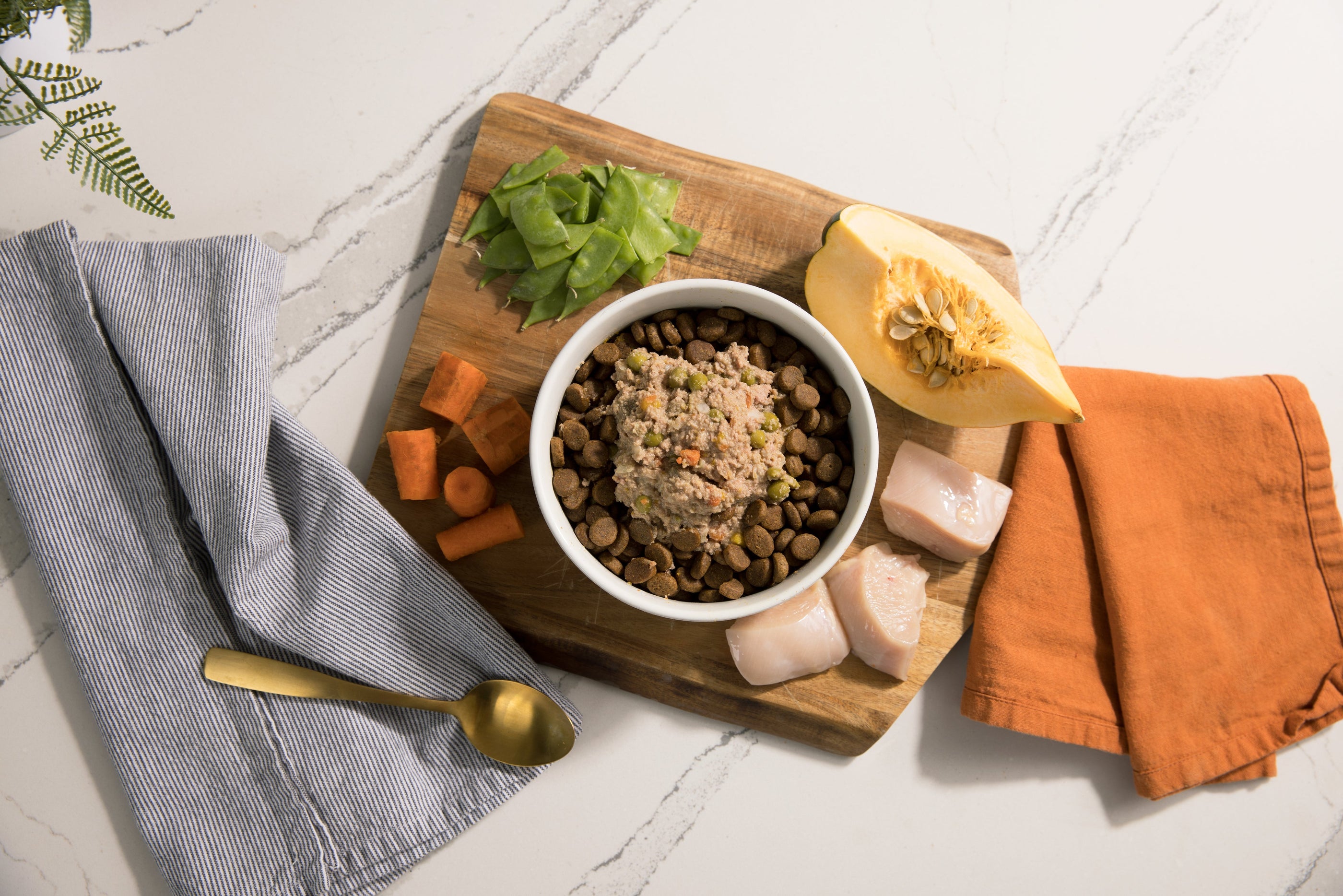
In addition to medications or health conditions, it is also helpful to learn what your pet was eating before adoption. Inquire with the rescue organization what they had been eating previously so you can feed something similar or work on a food transition plan. If you don’t know what your new pet was being fed, don’t worry! Solid Gold offers recipes organized by life stage, format, and nutritional need. Your veterinarian can help you decide which type of food may fit your newly adopted pet.
If you are looking to transition an adult dog to a new food, first make the decision to feed them a healthy whole grain or grain free formula. For adult dogs, Solid Gold offers whole-grain and grain-free recipes across wet and dry formats. Review the current formula, feeding directions, and life-stage guidance before beginning a transition. Hund-N-Flocken is a whole-grain dry-food option made with lamb and a blend of additional ingredients. Review the current product page for its full ingredient list, guaranteed analysis, and feeding directions.
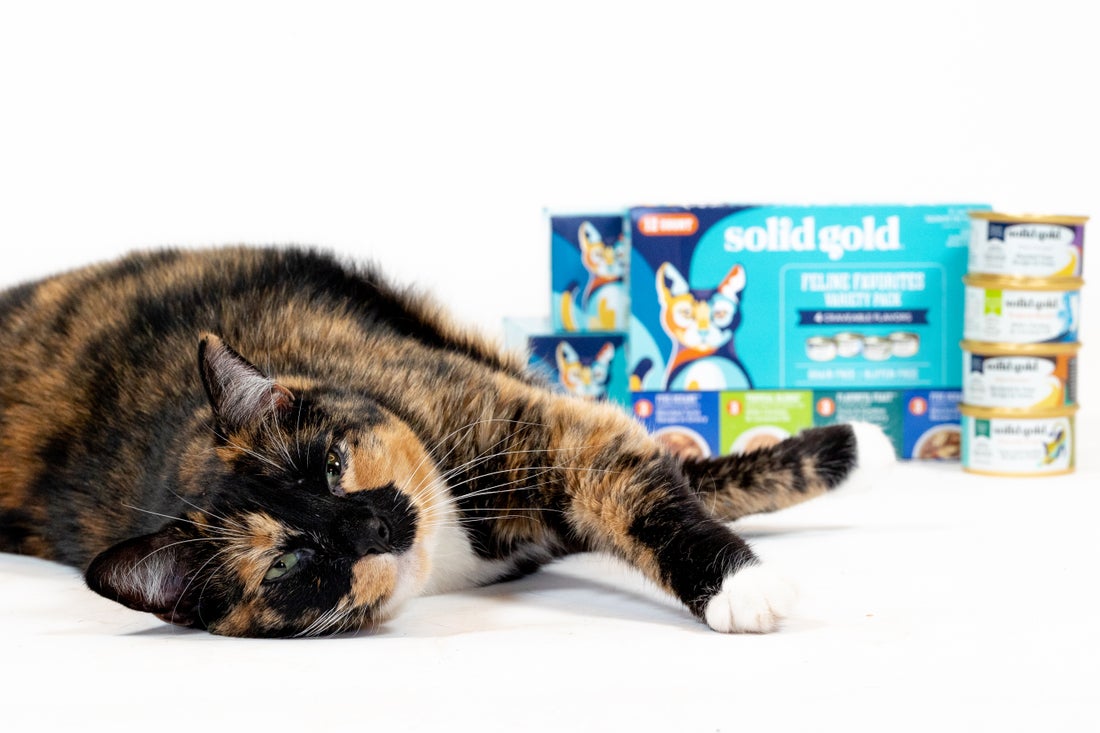
For adult cats, Indigo Moon dry food is a high-protein formula that provides a combination of nutrient-dense ingredients and boasts healthy fats, all packed in a convenient dry food with the flavor your cat craves. Let’s Stay In is a dry-food formula designed for indoor cats and includes chicken, lentils, and fiber-rich ingredients. Review the current product page for its complete ingredient list and approved hairball-support language.
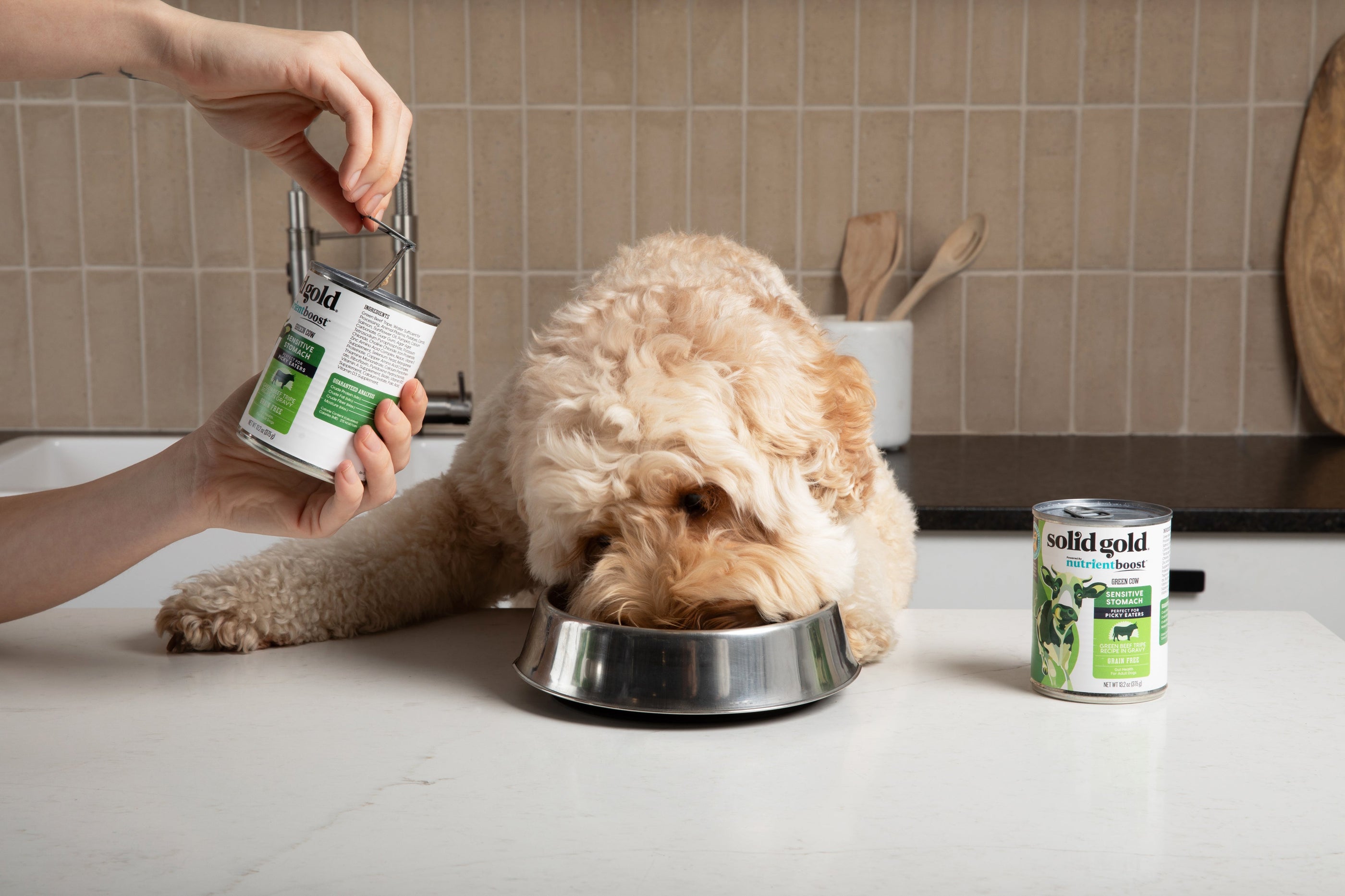
Some senior pets develop changing nutritional or digestive needs. Ask your veterinarian whether your pet’s current food still suits their health, activity, body condition, and life stage. Holistique Blendz is a dry-food option for senior dogs. Review its current guaranteed analysis, feeding directions, and life-stage information when considering it for your pet. Green Cow is a wet-food option made with green beef tripe and may appeal to dogs who prefer a softer texture and strong aroma.
For cats, Winged Tiger is a sensitive-stomach dry-food formula for adult cats made with quail and pumpkin. Review its current product page for the full ingredient list, feeding directions, and approved nutritional benefits.
Before adding a supplement, review your pet’s complete diet and speak with your veterinarian, especially if they take medication or have a health condition! Solid Gold SeaMeal daily wellness supplement powder is one option for dogs and cats. Review the current formula, directions, and approved benefits to determine whether it fits your pet’s diet.
For adult or mature dogs, ask your veterinarian whether a joint-support supplement is appropriate. Solid Gold’s current Leaps and Hounds Joint Support Chews may be one option to consider based on your dog’s age, diet, health, and activity level.
Many adult and senior pets remain playful and active! Just because your pet has many years of experience doesn’t mean they won’t want to play or get a good amount of physical activity. For mature or adult dogs, try taking them on walks or playing in your yard to gauge their energy levels. A short walk around the block might not be enough for some high-energy pups, but might be plenty for other older ones. For older kitties, make sure they have plenty of toys at home to play with! Stimulating their minds with brain games can also help you understand how active they like to be.
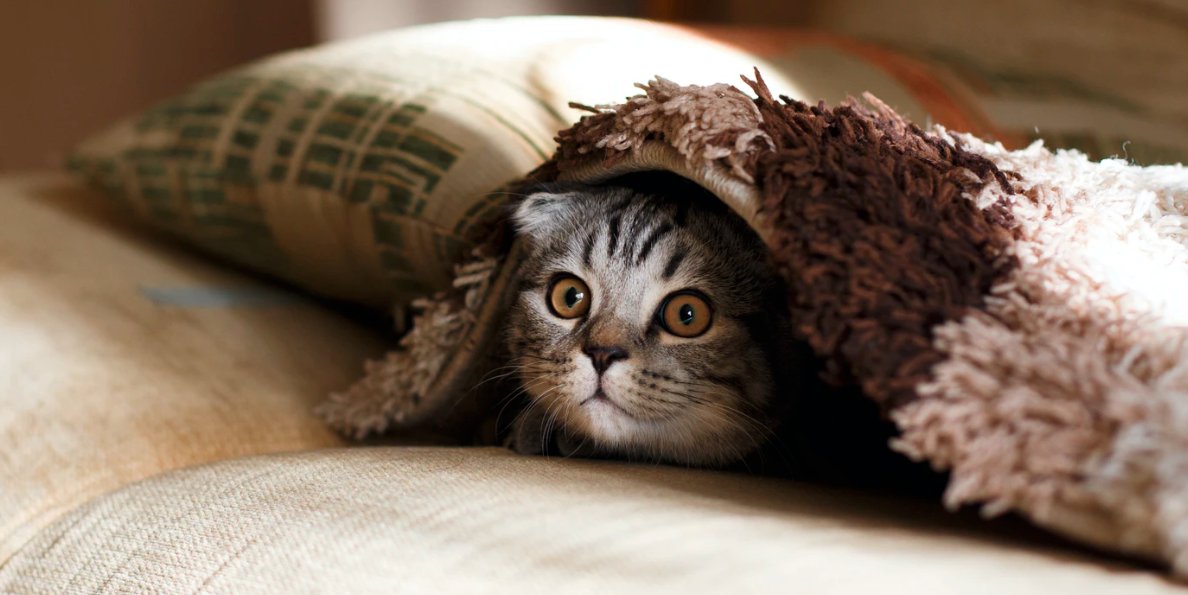
What pet doesn’t love some extra cuddles?! While you may be excited to snuggle up to your new pet right away, some older pets might not have as much experience with human touch as others. Remember that while their pasts might be a mystery to you, your new pets will have years of experience and memories. This means they might be a bit scared or standoffish at the beginning. If you notice your new pet is taking a bit longer to warm up to you than you thought, it’s okay to give them some time! Showing them small gestures of affection like reliable feeding times, an occasional head pet, going on walks, or even a new toy can all show your pet that you are there to support and love them no matter what. If they seem to need more time to acclimate to your presence, try providing a quiet, comfortable space where your pet can retreat without being disturbed. Ask the rescue or foster caregiver whether familiar bedding, toys, or scents may help with the transition.
No matter the age of your senior pet, patience, consistency, appropriate care, and affection can help a newly adopted pet feel more secure as they adjust. Not to mention, forging a special bond like this can help the pet’s human counterparts too!