Your cart is empty!
Let's fix that.
 FREE Shipping on all orders above $65!


Some dogs take every mealtime in stride, while others need a little extra care when it comes to food, treats, and changes in routine. If your dog has occasional gas, loose stool, tummy gurgles, or seems uncomfortable after eating, you may start wondering whether a sensitive stomach dog food could be a better fit.
A sensitive stomach can have many causes, so it is important not to treat food as a cure-all. But the right pet food, a steady feeding routine, and a slow dog food transition can help make mealtime feel more consistent for dogs who do not always handle change well. If your dog’s digestive issues are sudden, ongoing, or paired with vomiting, low energy, weight loss, or blood in the stool, check in with your veterinarian before making changes.
“Sensitive stomach” is a broad phrase pet parents often use when their dog seems to react poorly to certain foods, treats, or feeding changes. It is not one single condition, and it can look different from dog to dog.
Common signs may include:
Occasional loose stool
Gas or tummy gurgles
Upset stomachs after new treats or table scraps
Digestive changes after switching foods too quickly
Changes in appetite or enthusiasm around meals
Sometimes, the issue may be tied to a sudden diet change. Other times, a dog may be reacting to rich foods, too many extras, or an ingredient that does not sit well with them. Because digestive changes can also point to health concerns, including a food allergy or other digestive tract issue, it is best to involve your veterinarian if symptoms persist or seem unusual for your dog.
When choosing dog food for sensitive stomach needs, start with the overall formula rather than one ingredient alone. A good sensitive-stomach approach should support dog digestive health while still providing balanced, everyday nutrition.
Here are a few formula cues to look for:
A quality protein source: Protein is an important part of your dog’s diet, but some dogs may do better with specific protein sources than others.
Digestive-support ingredients: Look for recipes designed with dog gut health or sensitive stomach support in mind.
Prebiotic fiber and beneficial bacteria: These can help support healthy digestion and a balanced gut environment.
Wholesome grains or fiber sources: Depending on your dog’s needs, fiber and carefully selected grains may help support regular digestion.
Omega fatty acids: Skin, coat, and digestive wellness are often connected, so omega support can be a helpful part of a balanced recipe.
Vitamins and minerals: Complete and balanced nutrition should provide the essential nutrients your dog needs for their life stage.
The goal is not to chase the most complicated formula. For many dogs, the best choice is a steady, complete recipe that supports daily digestion and is easy to keep consistent.
If your dog needs digestive support, it can help to start by choosing the type of recipe that fits their daily routine. Solid Gold offers a few paths to consider:
Sensitive Stomach recipes are designed for dogs who may need extra digestive support at mealtime. These can be a strong starting point for pet parents looking for food made with gut health in mind.
Everyday Nutrition recipes may be a better fit for dogs who do well with a balanced, consistent dry dog food but still benefit from whole-body nutrition.
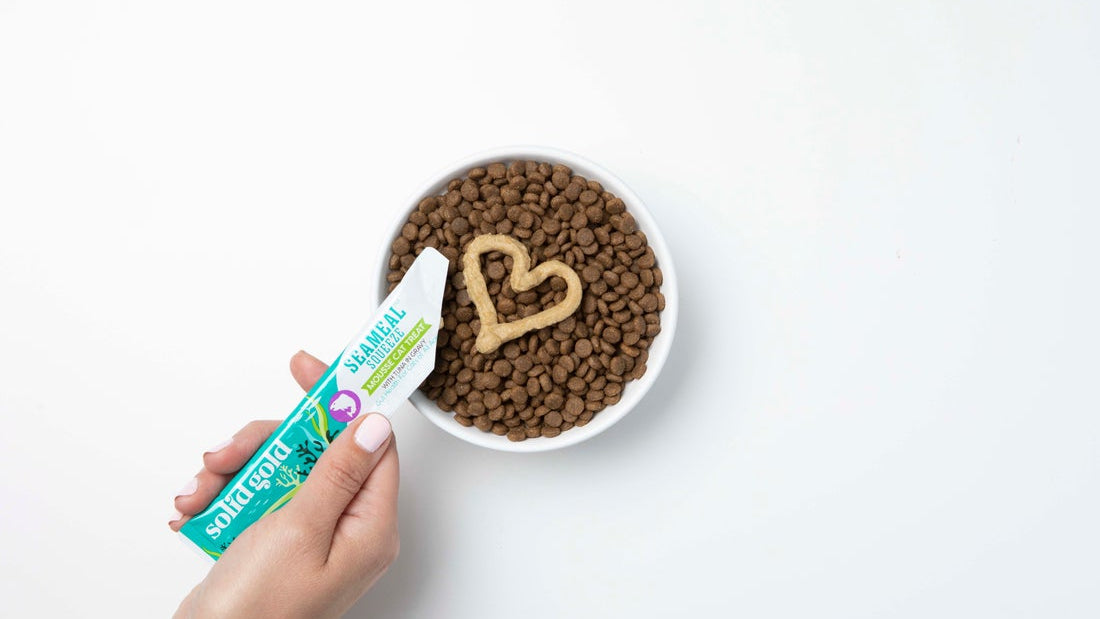
Toppers & Broths can add moisture and interest to meals, especially for dogs who need encouragement at the bowl. Introduce them slowly so you can see how your dog responds.
Each dog’s needs can vary by age, size, activity level, and life stage, so choose the formula that best matches your dog’s daily habits and talk with your veterinarian if digestive issues continue.
Even a well-chosen dry dog food can be hard on a dog’s stomach if the transition happens too quickly. A consistent feeding routine can make a meaningful difference, especially for dogs who are sensitive to change.
Helpful feeding habits include:
Transitioning slowly when switching foods
Feeding at consistent times each day
Measuring portions instead of guessing
Limiting rich treats and table scraps
Introducing toppers, broths, or new foods one at a time
Keeping fresh water available throughout the day
If you are changing your dog’s food, try mixing the new food with the current food gradually over several days. This gives your dog’s digestive system time to adjust and makes it easier to notice how they respond.
Food can play an important role in digestive comfort, but some symptoms need medical guidance. Talk with your veterinarian if your dog’s digestive changes are sudden, last more than a few days, or come with vomiting, blood in the stool, weight loss, low energy, or changes in drinking habits.
You should also check in before switching foods if your dog is a puppy, senior, on medication, or managing a known health condition.
Choosing sensitive stomach dog food is really about finding a steady, nourishing approach that supports your dog’s daily needs. Start with a thoughtful formula, keep the routine consistent, and make changes slowly. A calmer mealtime can begin with simple, informed choices.
Explore Sensitive Stomach dog food or use Help Me Choose to find a recipe that fits your dog’s needs.