Your cart is empty!
Let's fix that.
 FREE Shipping on all orders above $65!


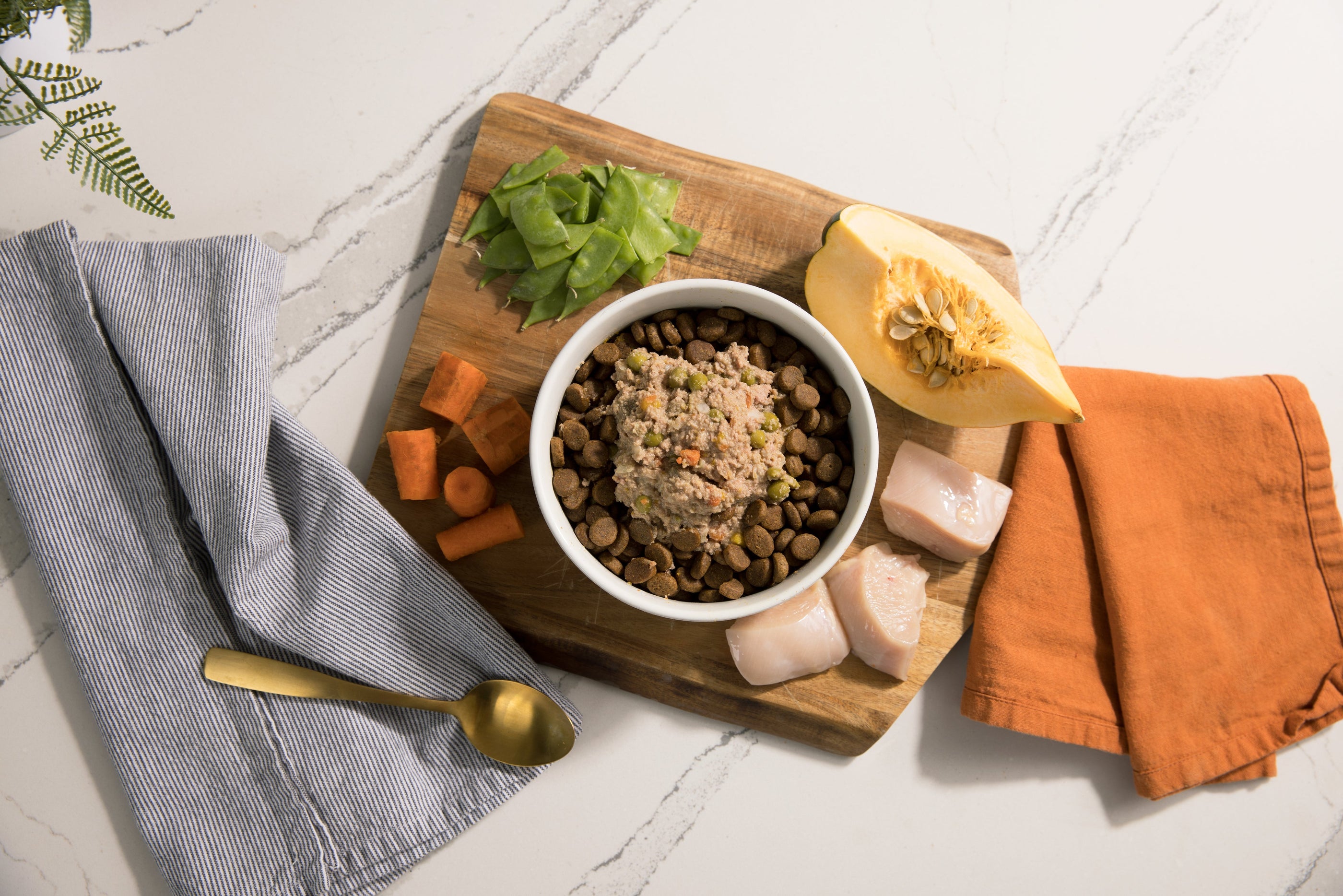
Choosing between wet and dry dog food can feel simple at first, but each format offers something different. Some dogs do well with the crunch and convenience of kibble, while others are more interested in the aroma, texture, and moisture that come with wet food.
There is no single right answer for every dog. The best choice depends on your dog’s age, activity level, appetite, chewing ability, digestive needs, and daily feeding routine. In some cases, a mix of both wet and dry food may offer the most practical balance.
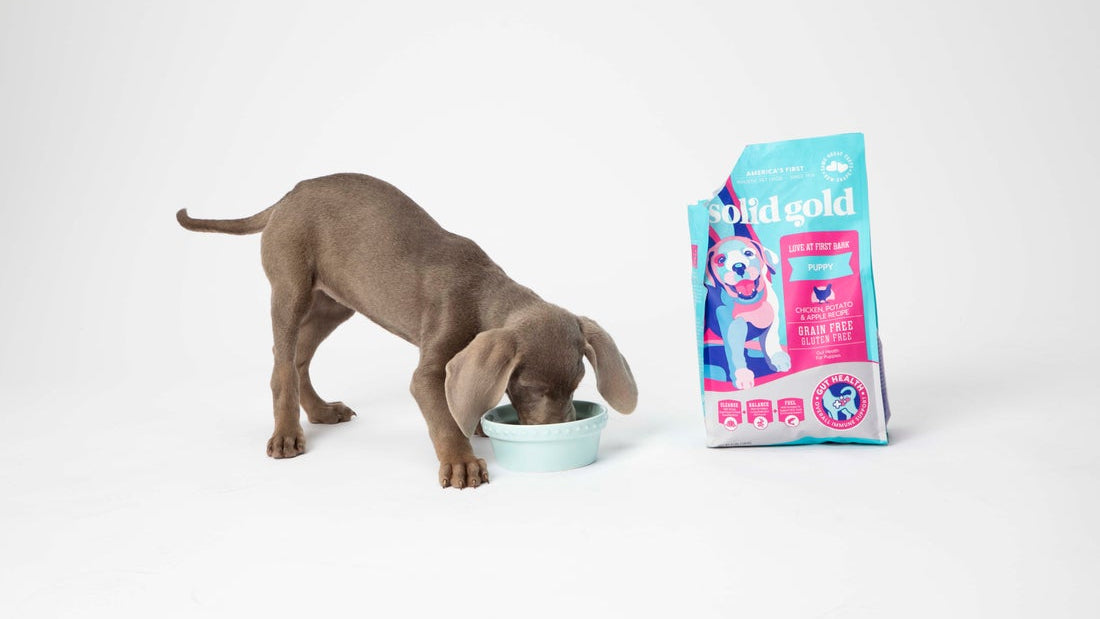
Dry dog food is often the easiest format to store, scoop, and serve. It works well for many households because it is convenient, portion-friendly, and can fit into a consistent feeding routine.
Kibble may be a good fit if your dog:
Eats well on a regular schedule
Does best with measured portions
Needs a food that is easy to store
Enjoys crunchy texture
Benefits from a simple everyday feeding routine
Solid Gold dry dog food recipes are built around complete and balanced nutrition, with options such as everyday nutrition dog food, high protein dog food, weight management dog food, and sensitive stomach dog food. Many recipes include thoughtful ingredients such as high-quality proteins, fiber sources, omega fatty acids, probiotics, and superfoods to help support whole-body health.
For dogs with digestive sensitivity, dry food can still be a strong option when the formula is chosen carefully and introduced slowly.
Wet dog food can be a helpful option for dogs who prefer a softer texture or need more interest at mealtime. Because it has a higher moisture content than dry food, it may also help add hydration to the bowl.
For some pet parents, wet food for dogs is also a useful way to bring more aroma, texture, and moisture into the bowl without changing the whole feeding approach at once.
Wet food may be a good fit if your dog:
Prefers softer food
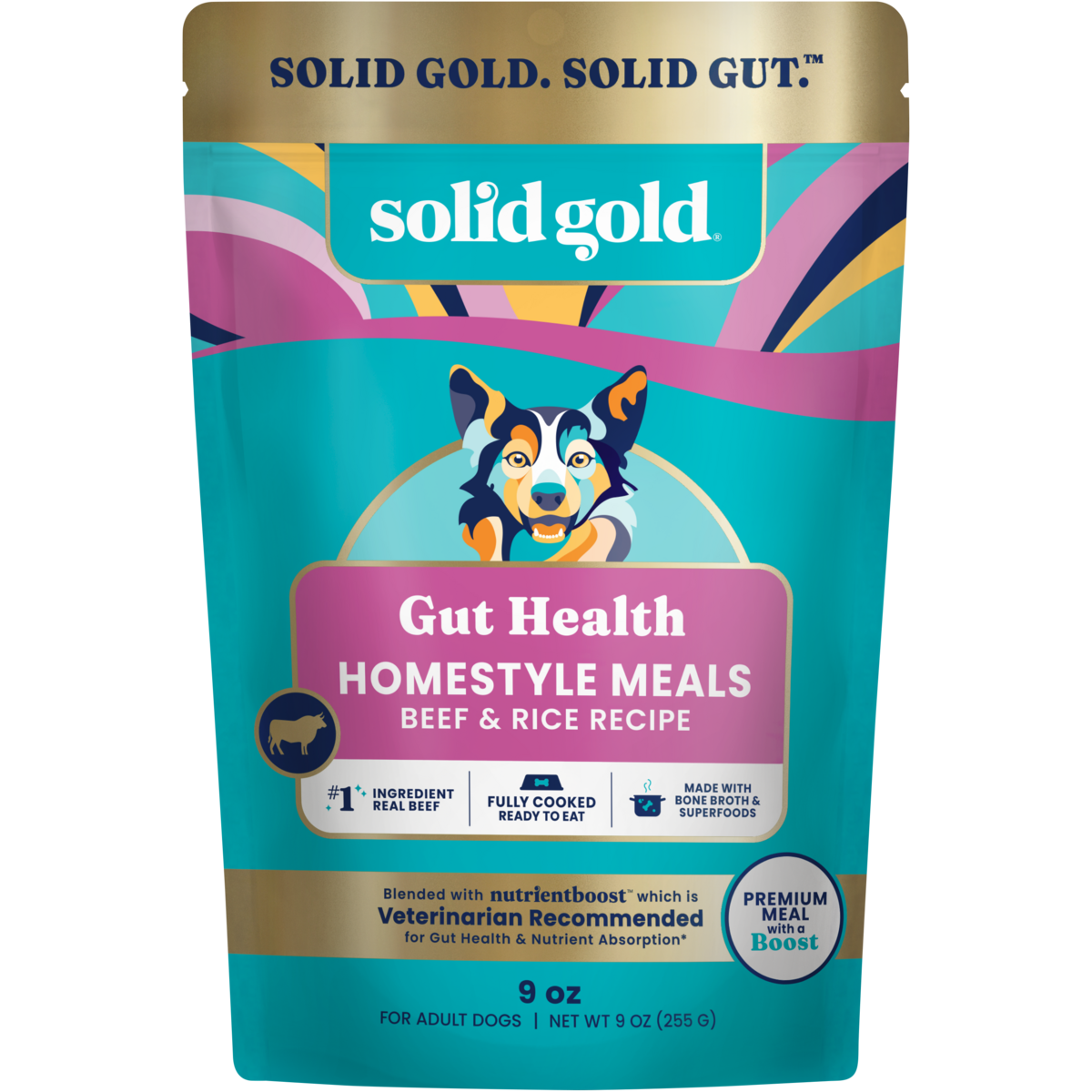
Solid Gold wet dog food recipes offer a softer, more aromatic feeding experience while still supporting balanced daily nutrition. Wet food can be served on its own or used alongside dry food, depending on your dog’s needs and your veterinarian’s guidance.
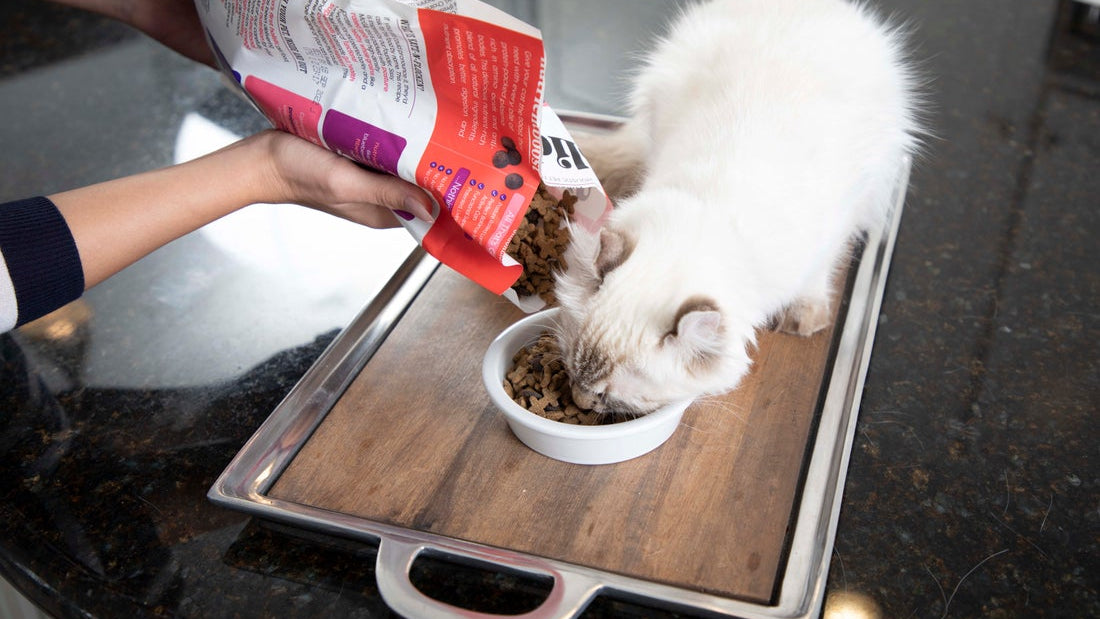
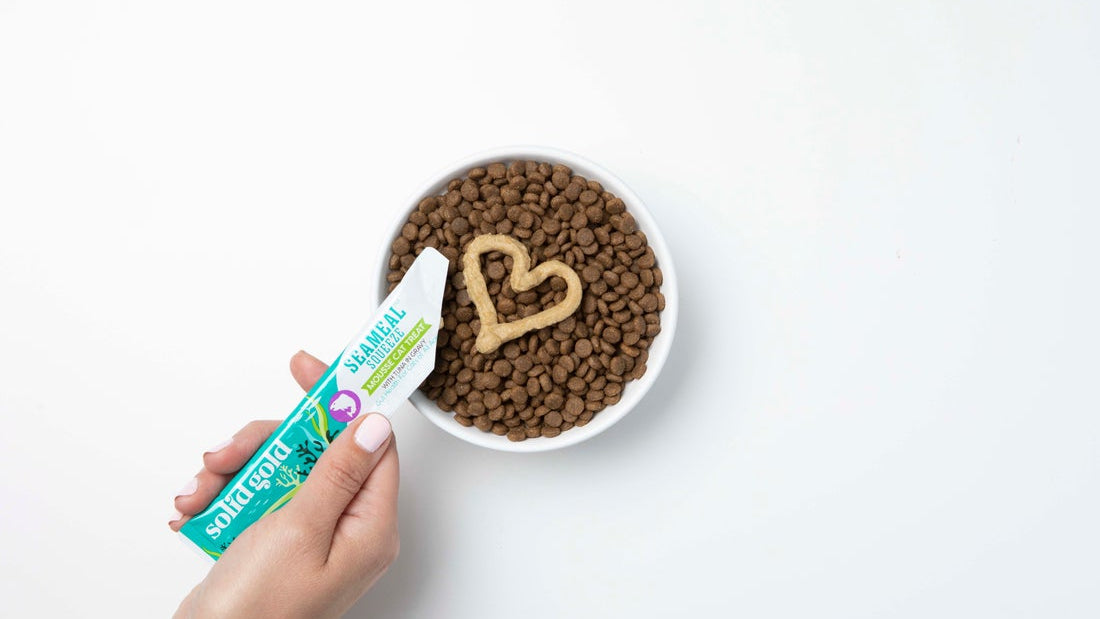
Yes, many dogs can eat a combination of wet and dry food. This approach may help pet parents add moisture, flavor, and variety while keeping the convenience and portion control of kibble.
A mixed feeding approach may be helpful if your dog enjoys dry food but needs a little more interest at the bowl. It can also be useful for dogs who are picky, aging, or adjusting to a new routine.
If you combine wet and dry food, treat it like any other dog food transition and keep a few things in mind:
Measure both formats so you do not overfeed.
Introduce changes gradually.
Watch stool quality, appetite, and energy.
Keep fresh water available.
Ask your veterinarian if your dog has ongoing digestive issues or a medical condition.
Whether you choose wet food, dry food, or both, the formula matters more than the format alone. Look for recipes that match your dog’s daily needs and life stage.
Solid Gold recipes often include ingredients chosen to support digestive health, skin and coat, immune function, energy, and overall nutrition. Depending on the recipe, this may include:
If your dog has a sensitive stomach, weight concerns, or a known health condition, it is worth looking beyond format and choosing a recipe designed for that need.
Start with your dog’s everyday habits. A highly active dog may have different nutritional needs than a dog who spends more time indoors. A dog with a sensitive stomach may need a more gradual food transition. A senior dog may prefer softer textures or added moisture.
Ask yourself:
Does my dog prefer crunchy or soft food?
Do they need added moisture?
Are they sensitive to food changes?
Is portion control a priority?
Do they need a formula for high protein, weight management, everyday nutrition, or sensitive stomach support?
If you are not sure, a simple starting point is to choose the formula first, then decide which dog food format best fits your dog’s feeding routine.
Solid Gold offers both wet and dry dog food options for pet parents who want to choose by format, nutrition need, or feeding preference. If your dog does best with a consistent everyday recipe, dry food may be a convenient fit. If your dog needs a softer texture or more interest at mealtime, wet food may be worth exploring.
Some dogs may also benefit from using wet food with dry food as part of a mixed feeding approach. The key is to transition slowly, measure portions carefully, and choose recipes that fit your dog’s age, size, activity level, and digestive needs.
Explore Solid Gold Dry Dog Food, Wet Dog Food, or use Help Me Choose to find an option that fits your dog’s bowl.