
Your cart is empty!
Let's fix that.
 FREE Shipping on all orders above $65!


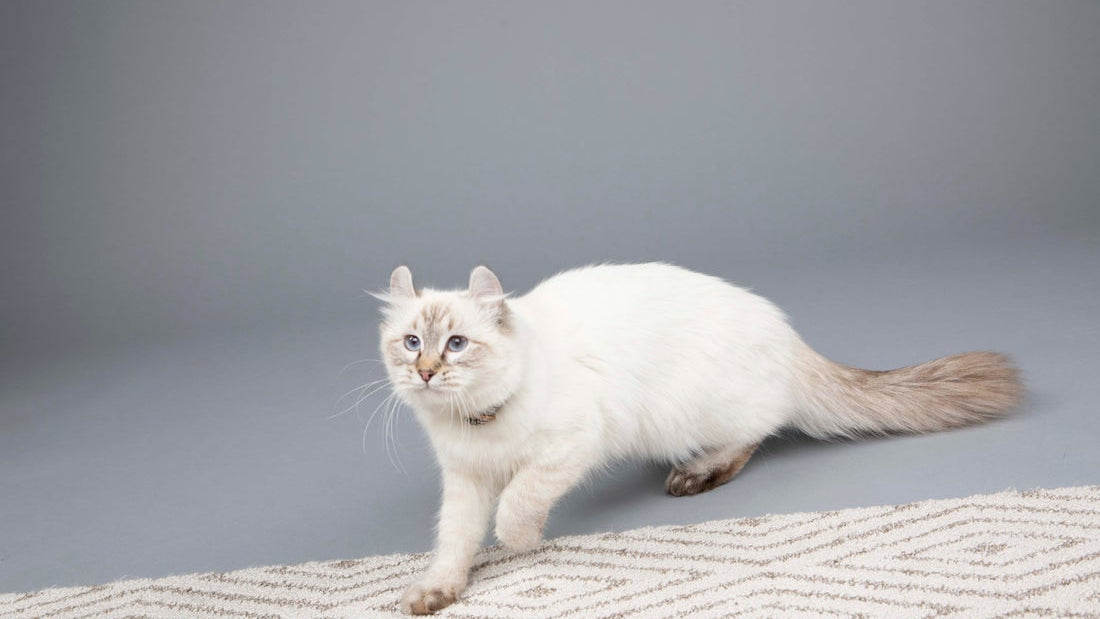
Many cats do not drink much from a bowl, which can make it hard for pet parents to tell whether their cat is getting enough water. Cats evolved eating moisture rich prey, and many still take in a good share of their daily water through food rather than from the bowl alone.
That makes hydration an everyday routine rather than a single fix. Food, water setup, and daily habits all play a role, and small adjustments can help increase your cat's water intake. Here is how to keep your cat hydrated, and when changes in drinking deserve a call to your veterinarian.
Water supports digestion, circulation, body temperature, and normal kidney function, among other everyday processes. Cats often drink less than people expect. Consider every place water can come from: the bowl, wet food, and any moisture added to meals.
Hydration is one part of everyday care. It is not a treatment for any condition, and it does not replace veterinary guidance, especially for urinary or kidney concerns.
One important difference between dry and wet cat food is moisture. Dry food generally contains less moisture than wet food. Liquid toppers and broths can also add moisture to meals, but amounts vary by product. When comparing wet cat food for hydration, check the moisture line in the guaranteed analysis, which lists the maximum moisture the food contains.
For example, our Chicken & Tuna Shreds Wet Food for Cats lists moisture at a maximum of 84.%, while our Fit as a Fiddle™ with Alaskan Pollock dry food for adult cats lists a maximum of 10%. These maximum moisture values illustrate the difference between formats, but they do not measure your cat's total daily water intake. Cats eating mostly dry food generally need to get more of their water from drinking.
You do not need to switch formats entirely. Many pet parents add wet food to some meals or use a mixed feeding routine, which we cover in our guide to wet vs. dry cat food. Whichever approach you choose, review the feeding directions for each product so total portions and calories stay on track.
Texture and aroma matter, especially for a picky eater, so it can take some experimenting with shreds, pâté, or gravy to find a wet food your cat finishes.
Introduce changes gradually. Moving to a new food, or adding wet food for a cat used to kibble, can upset digestion if it happens too quickly. Our guide on how to transition cat food walks through a gradual schedule day by day.
Even cats that eat wet food should always have fresh water available. A few setup changes can encourage your cat to drink more often:
Fresh water daily: Wash bowls and refill them regularly, since some cats ignore water that has been sitting out.
More than one location: Place bowls in several quiet spots around the home, especially in households with multiple cats or homes with more than one floor.
Space from the litter box: Some cats prefer water that is not placed next to their litter box.
Bowl style: Some cats seem to prefer wide, shallow bowls or a different bowl material, so it can help to try a couple of options and notice which one gets used.
Moving water: Some cats are drawn to a pet water fountain. If you try one, clean it regularly according to the manufacturer's directions.
For cats that eat mostly dry food, or that are hesitant about wet food, a topper can be a simple way to add moisture to a familiar meal. Our Bone Broth with Chicken Shreds Meal Topper for Cats is made with chicken bone broth as the first ingredient and lists moisture at a maximum of 84.5%. Follow the package directions to pour it over dry food or serve it directly from the pouch. Tuna and salmon varieties are also available in our toppers for cats collection.
Since it changes the aroma and texture of a familiar meal, a topper may also help a picky eater accept food they would otherwise leave behind. Toppers do add calories, about 65 per 3 oz pouch for this recipe, so count them toward your cat's daily total, especially if your cat is on a weight plan. Keep a complete and balanced food as the foundation of your cat's diet, and use toppers according to their feeding directions.
Adding water to dry cat food is another option some pet parents try. Use a small amount of fresh water, serve the meal promptly, and discard leftovers, since moistened food can spoil faster than dry kibble. If you add broth at home, avoid broths made for people, which may contain onion, garlic, or a lot of sodium.
Consistency matters more than any single trick. Consider these habits:
Pair refills with mealtimes: Checking and refilling water when you feed makes it easier to notice how much your cat is drinking.
Serve wet food fresh: Offer measured portions, and follow the package directions for how long opened food can stay out and how to store leftovers.
Keep changes small: Introduce new foods or toppers in small amounts and change one thing at a time, such as a new bowl location, so you can tell what your cat responds to.
Be patient with a picky eater: Give your cat time to explore a new bowl or food while keeping their familiar food and fresh water available.
Watch for reduced eating: If your cat eats less than usual or stops eating, contact your veterinarian promptly.
Cats are good at hiding their discomfort; changes in drinking, eating, and bathroom habits are worth noticing. Lethargy, a drop in appetite, dry or tacky gums, and sunken eyes can point to dehydration, but these signs can also point to other health issues. If you think your cat is dehydrated, contact your veterinarian rather than waiting.
You may see advice online to check skin elasticity with a gentle pinch, but that check can be unreliable at home, particularly in older, thin, or overweight cats. Rely on your veterinarian's exam instead.
Also contact your veterinarian if you notice:
Drinking noticeably more or less than usual
Urinating more or less often, or in larger or smaller amounts than usual
Straining in the litter box, crying while urinating, or blood in the urine
Hiding or other changes in behavior
Seek emergency veterinary care right away if your cat is straining to urinate and passing little or no urine, since this can become an emergency quickly, particularly in male cats.
Moisture-rich meals and fresh water are part of an everyday routine, but they are not a substitute for veterinary care when something seems off.
Helping your cat stay hydrated rarely comes down to one change. Moisture in meals, easy access to fresh water, and steady everyday habits work together, and the right mix depends on your cat's preferences and health.
Start with one small change, such as another water station or a measured serving of wet food, and notice what your cat responds to. If you're considering a feeding change, explore Solid Gold's wet cat food and cat toppers, and ask your veterinarian what fits your cat's needs.