Your cart is empty!
Let's fix that.
 FREE Shipping on all orders above $65!


Choosing between wet vs. dry cat food is not always as simple as picking one bowl and sticking with it. Texture, moisture, convenience, feeding habits, and your cat’s preferences can all shape the right routine, especially when your cat is a picky eater.
The good news is that wet cat food and dry cat food can both fit into a thoughtful cat nutrition plan. Some cats prefer one format, while others enjoy a combination. Understanding what each option brings to the bowl can help you find a routine that works for your cat and keeps even a picky eater interested in mealtime.
The most noticeable difference is moisture.
Wet cat food contains significantly more water and comes in textures such as shreds, pâté, mousse, or pieces in gravy. Dry cat food has less moisture and comes in crunchy kibble shapes and sizes.
The two formats also differ in how they are stored and served. Unopened wet food is shelf-stable, but leftovers generally need to be refrigerated and used according to the package's directions. Dry food is easier to measure and store, making it convenient for pet parents who prefer a consistent scoop-and-serve routine.
Texture may be particularly important for a picky eater. One cat may prefer soft shreds in gravy, while another may only show interest in crunchy kibble. Neither format is automatically better; the right choice depends on what works for your cat and household.
The extra moisture in wet cat food can contribute to your cat’s overall water intake. This can be useful for cats that do not visit their water bowl frequently.
Wet food also provides variety in aroma and texture. Because cats can have strong food preferences, formats such as shreds, gravy, or pâté may make meals more inviting for a picky eater. Trying different textures can help you learn whether your cat prefers softer food, visible pieces, or a smoother consistency.
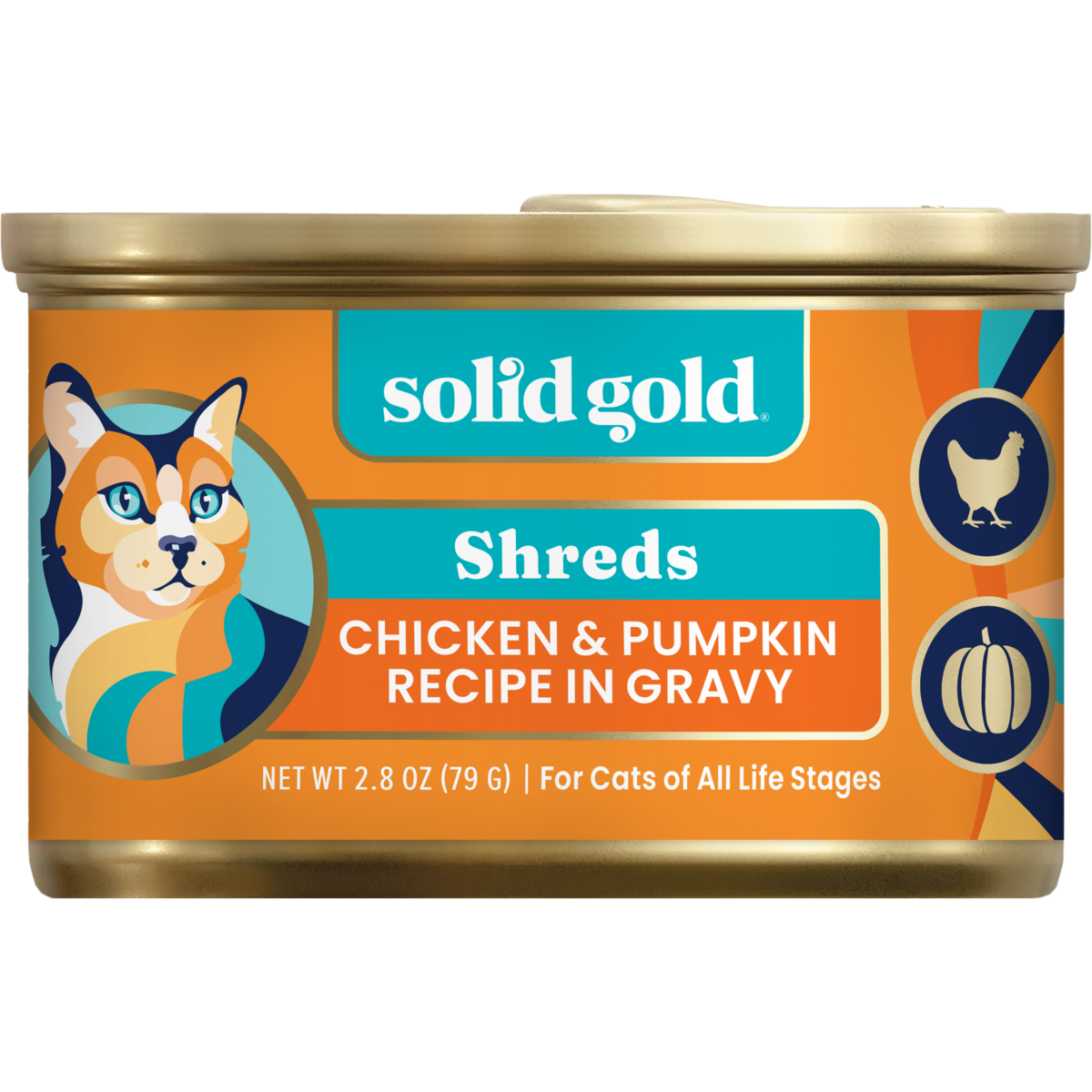
For example, Nature’s Harmony™ Chicken & Pumpkin Shreds Wet Food for Cats features chicken as its first ingredient, followed by chicken broth and pumpkin. Its shredded texture offers a different eating experience from traditional kibble.
Wet food can also make it easier to serve smaller, freshly opened portions. The tradeoff is that it requires more attention to refrigeration, serving time, and cleanup.
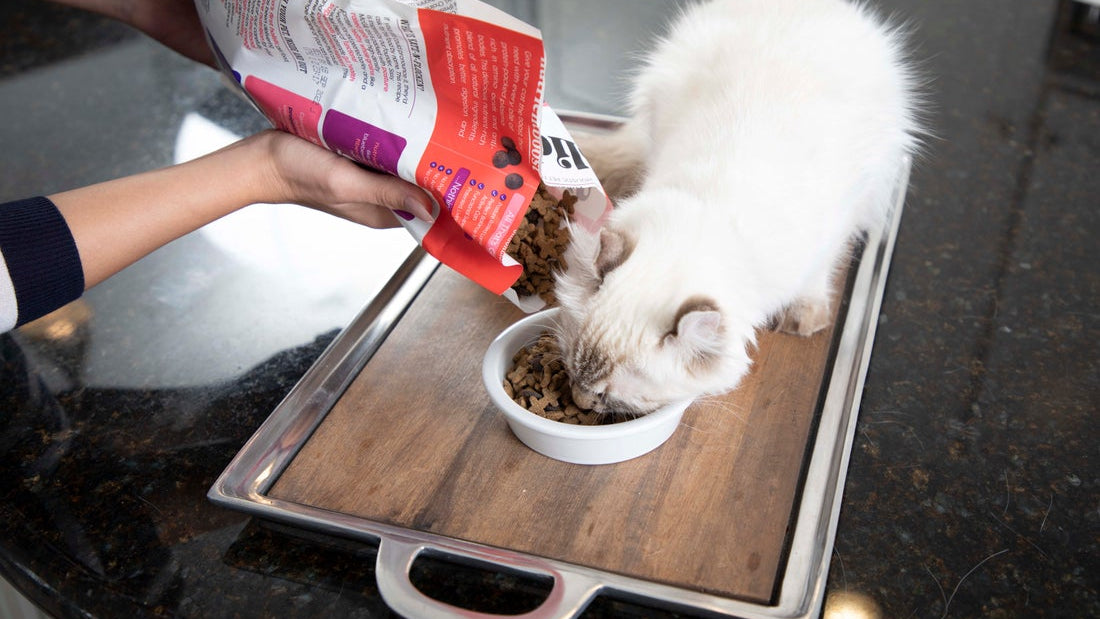
Dry cat food is easy to measure, store, and serve. It can work well for pet parents who want a straightforward feeding routine or need food that stays fresh in the bowl longer than wet food.
Crunchy kibble also gives cats a distinct and consistent texture. Solid Gold dry recipes come in different shapes and sizes, which can influence how a cat approaches and enjoys a meal. Some picky eaters prefer this predictable crunch over the softer texture of wet food.
Indigo Moon™ Chicken Dry Food for Cats is a high-protein dry recipe made with chicken meal as its first ingredient. It also includes chicken, ocean fish meal, dried eggs, salmon oil, pumpkin, carrots, apples, cranberries, and dried probiotic fermentation products.
Because dry cat food contains less moisture, cats eating mostly kibble should always have access to fresh water. Washing and refilling water bowls regularly or providing more than one drinking location can make hydration easier to build into the daily routine.
Yes! Some pet parents use a mixed-feeding routine that includes both wet and dry cat food.
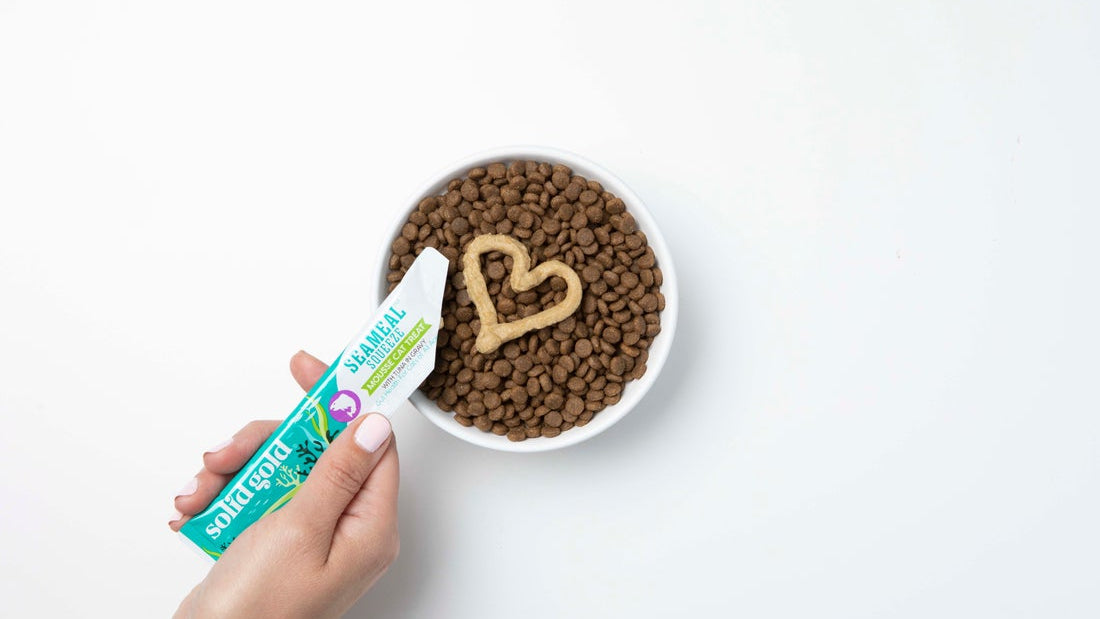
You might serve dry food for one meal and wet food for another. Another option is to offer a measured amount of wet food alongside kibble. For a picky eater, this can provide more variety in aroma, texture, and presentation without requiring the household to commit to only one format.
Mixed feeding still requires portion awareness. Serving a full dry-food portion plus a full wet-food portion can unintentionally add more calories than your cat needs. Review the feeding directions for each product and consider the total amount offered throughout the day.
If your cat has specific dietary or health needs, your veterinarian can help determine whether one format, or a combination fts their individual routine.
When comparing wet vs. dry cat food, consider:
Those picky-eater patterns can provide useful clues. A cat that walks away from pâté may still enjoy shreds, while a cat that avoids wet food may respond better to the consistent texture of kibble.
Even when a picky eater seems interested in a new food, avoid changing their full bowl at once. Sudden food changes may lead to digestive upset or make it harder to identify which format your cat prefers.
Begin by replacing a small portion of the current food with the new recipe. Gradually increase the new food over several days while watching your cat’s appetite, behavior around the bowl, and litter-box habits.
Follow the current product directions, especially when switching between wet and dry foods with different calorie densities. Patience matters: a picky eater may need time to become familiar with a new smell, shape, or texture.
There is no single winner in the wet vs. dry cat food conversation. Wet food offers moisture and a variety of textures, while dry food provides convenience, easy measuring, and a consistent crunch. A combination can offer qualities from both formats when portions are planned carefully.
For a picky eater, finding the right fit may take some experimentation. Start with your cat’s preferences, review the package information, provide fresh water, and introduce changes gradually. The best cat nutrition routine is one your cat enjoys and that you can maintain consistently.