Your cart is empty!
Let's fix that.
 FREE Shipping on all orders above $65!


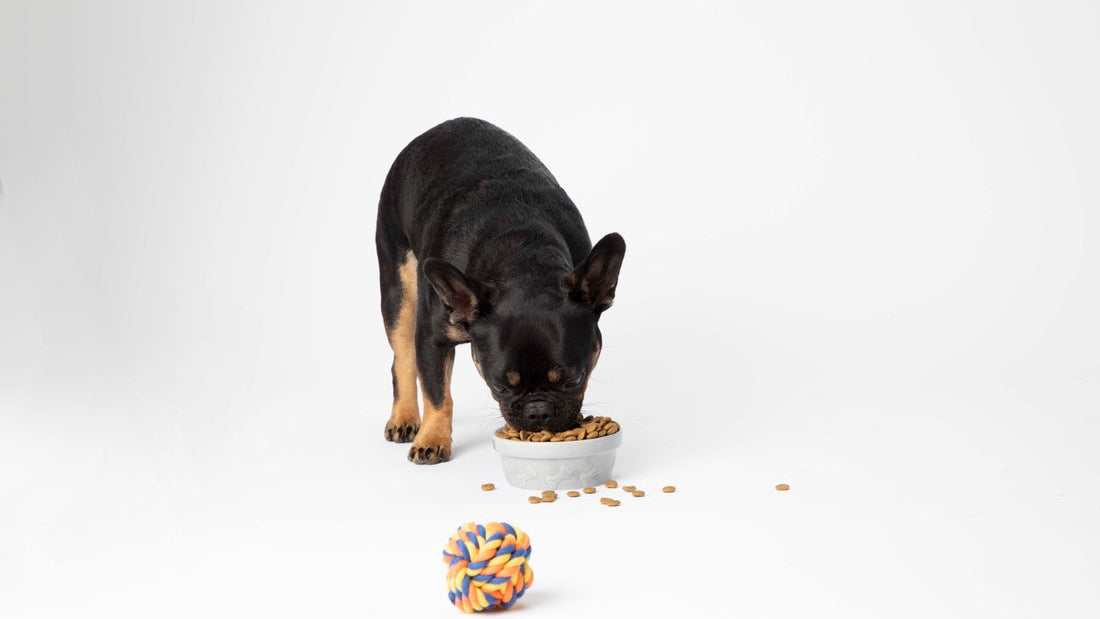
Changing your dog’s food may be necessary for many reasons. They may be entering a new life stage, moving to a different protein source, trying another food format, or simply ready for a recipe that better suits their preferences.
Whatever the reason, the contents of the bowl should usually change gradually. Switching dog food too quickly can make it harder for your dog’s digestive system to adjust and may lead to changes in appetite or stool quality.
A thoughtful dog food transition gives you time to introduce the new recipe, observe how your dog responds, and adjust the pace along the way, especially when feeding a picky eater or a dog with sensitive digestion.
Your dog’s digestive system may become accustomed to the ingredients and nutritional profile of their regular food. Replacing that food all at once introduces a new combination of protein, fat, fiber, and other nutrients in a single meal.
A gradual transition blends the current and new foods over several days. This gives your dog time to become familiar with the new recipe while allowing you to monitor appetite, digestion, and overall comfort.
A slower introduction can also be helpful for a picky eater. The familiar aroma and texture of the current food remain in the bowl while the new recipe is introduced a little at a time.
If your veterinarian recommends a different schedule for medical or nutritional reasons, follow that individualized guidance instead.
Our Solid Gold FAQ recommends transitioning to a new food gradually over approximately seven to ten days. Begin by replacing about 25% of the current food, then continue increasing the amount of new food until it becomes the full meal.
A practical transition schedule may look like this:
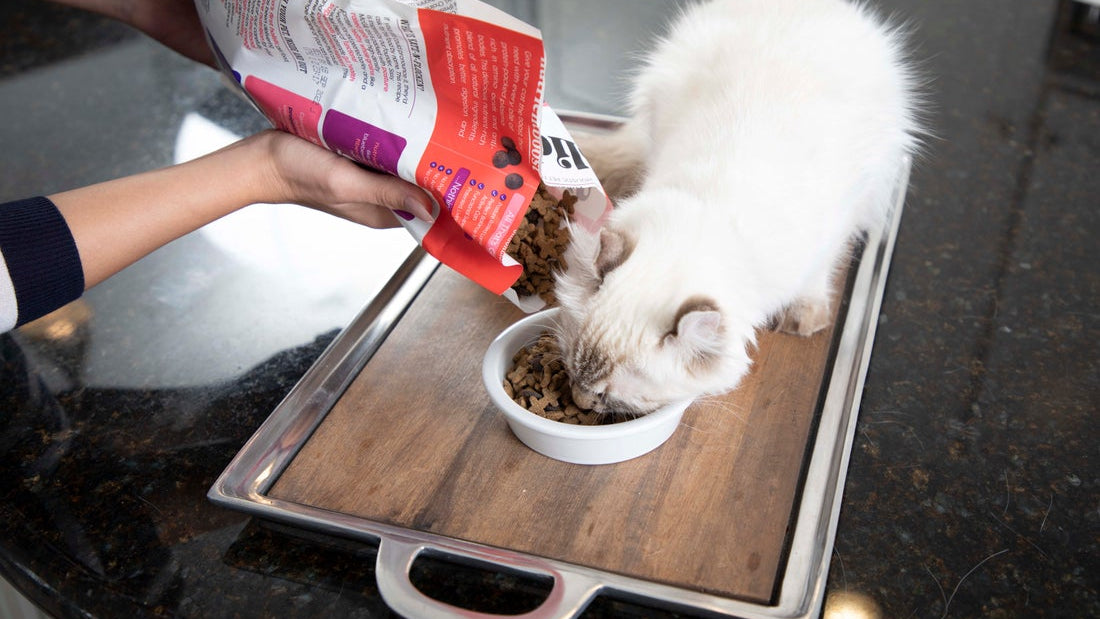
Begin with a small amount of the new recipe. Mix the two foods thoroughly so each meal contains the appropriate amount of both recipes.
During this stage, observe whether your dog is eating normally and whether there are any noticeable digestive changes.
If your dog is comfortable with the first mixture, make half of the meal the current food and half the new food.
A picky eater may notice the new aroma or texture more clearly at this point. Keep the feeding routine consistent and give your dog time to become familiar with what is in the bowl.
The new recipe now makes up most of the meal. Continue monitoring appetite, stool quality, and general comfort.
If your dog experiences persistent digestive changes or regularly refuses meals, pause the transition and contact your veterinarian.
Once your dog is comfortably eating the final mixture, move to the new food on its own.
Some dogs may complete the transition sooner, while others may need more than ten days. The schedule should serve as a practical framework rather than a race to the final bowl.
If you are comparing wet and dry food, remember that the guaranteed-analysis percentages are presented on an as-fed basis and are affected by moisture content. Calorie content and feeding directions may offer a more practical starting point for portion planning.
When mixing two foods, avoid serving a full portion of each. The old and new foods should combine to make one appropriately sized meal.
For example, if your dog normally receives one cup at a meal, the first transition stage would generally contain three-quarters of a cup of the current food and one-quarter of a cup of the new food.
Calorie content can vary between recipes, so the new food may not have the same final serving size as the old one. Review the feeding directions on the new package and use them as a starting point. Your dog’s age, weight, activity level, and body condition may also affect the appropriate portion.
Using the same measuring cup or kitchen scale throughout the transition can help keep portions consistent.
A new food may contain a different protein source or different amounts of fat and fiber than the current recipe. These differences are another reason to make the change gradually.
When comparing dog foods, review:
Avoid judging the food by one ingredient or number alone. Consider how the complete recipe fits your dog’s nutritional needs, routine, and preferences.
If your dog has a diagnosed condition or follows a prescribed diet, discuss any food change with your veterinarian before beginning the transition.
Introducing several new foods at once can make it difficult to determine what is working for your dog.
During the transition, try to keep treats, toppers, table foods, and other extras consistent. If your dog experiences a digestive change, a simple routine makes it easier to identify what has changed.
This is particularly useful when feeding a picky eater. It can be tempting to add something different every time your dog hesitates, but frequent changes may make the transition harder to evaluate. Offer meals on a predictable schedule and avoid turning every pause at the bowl into a new menu.
If you already use a topper, keep the type and amount consistent rather than introducing a new one during the food transition.
Moving between dry and wet food may require more than changing the flavor in the bowl. The foods can differ in texture, moisture, calorie density, and recommended serving size.
When transitioning between formats:
Compare the feeding directions on both packages.
Do not assume that one cup of dry food equals one can or tray of wet food.
Measure each portion instead of estimating.
Keep the old-to-new ratio consistent at every meal.
Refrigerate opened wet food according to the package directions.
Some dogs prefer one texture over another, which can matter for picky-eater preferences. A gradual transition gives your dog time to become familiar with the new texture and allows you to slow the process if needed.
Not every dog needs to follow the same timeline. Dogs with a history of sensitive digestion, strong food preferences, or previous difficulty changing recipes may need a slower transition.
If you notice a mild digestive change, pause at the current ratio or return to the previous ratio your dog tolerated. Remain there longer before increasing the new food, and contact your veterinarian if the change persists. Avoid continuing to increase the new recipe simply to stay on schedule.
Contact your veterinarian if digestive changes persist; your dog repeatedly refuses food, or you notice another concerning change. Puppies, senior dogs, and dogs with diagnosed health conditions may also need more individualized guidance.
For a picky eater, familiarity and consistency can be just as important as the transition percentages.
Serve meals in the usual location and use the same bowl and feeding schedule whenever possible. Mix the foods evenly rather than placing the new recipe in a separate pile that is easy to avoid.
Give your dog time to approach the meal, but avoid repeatedly replacing it with different foods. Too many immediate alternatives can make it difficult to establish a predictable routine.
If your dog suddenly becomes a picky eater after previously eating well, or begins refusing several meals, contact your veterinarian. A sudden appetite change should not automatically be treated as a preference issue.
Learning how to transition dog food comes down to patience, measurement, and observation. Introduce the new recipe gradually, keep the rest of the routine consistent, and give your dog more time if they need it.
The goal is not to reach 100% new food as quickly as possible. It is to help your dog become comfortable with the new recipe while giving you a clear view of how it fits their appetite and digestion.
When you are ready to compare recipes, explore Solid Gold dog food by format, life stage, and nutritional need. Follow the feeding directions on the new food and ask your veterinarian whether your dog needs an adjusted transition schedule.